Ridgebrew
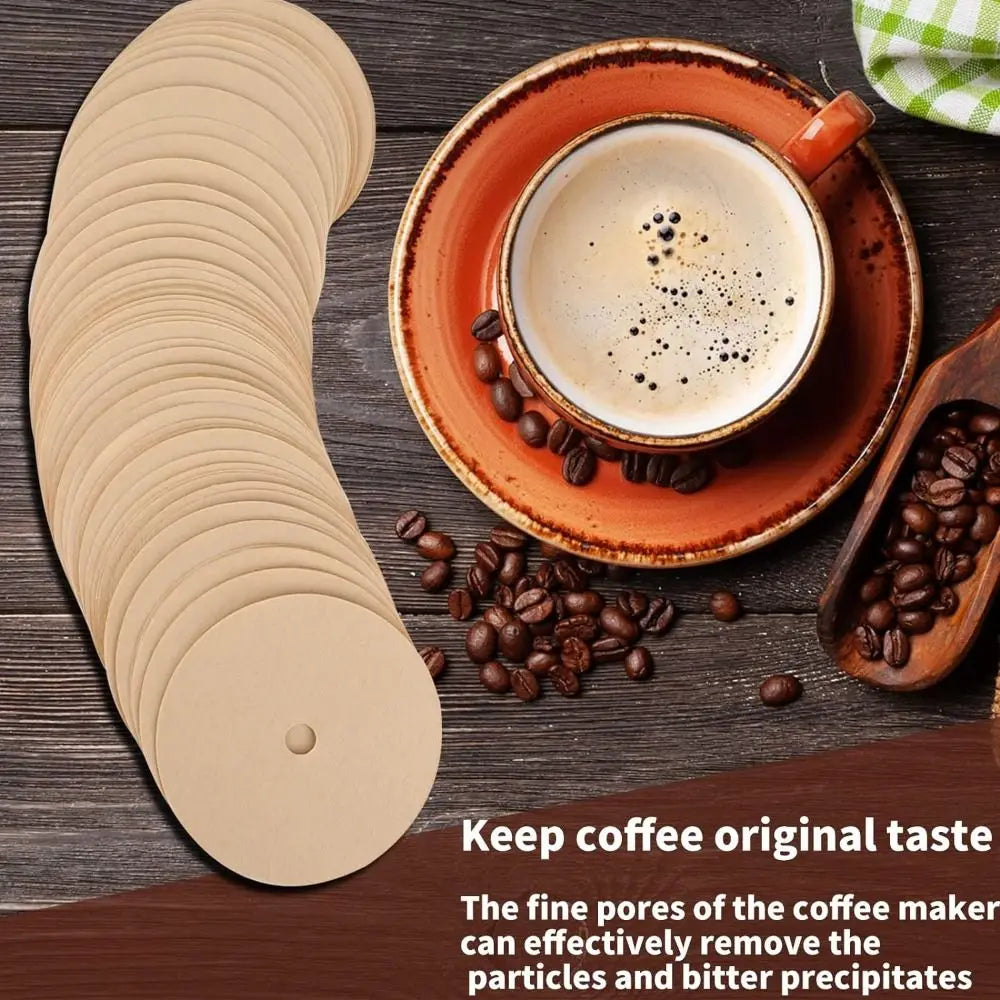
Natural Unbleached Percolator Filter Papers – 200-Pack
Natural Unbleached Percolator Filter Papers – 200-Pack
Quick answer: Ridgebrew Natural Unbleached Percolator Filter Papers are die-cut, flat-bottomed papers made from unbleached wood pulp, approximately 0.18mm thick, sold in a 200-pack (80g) for $14.99 (SKU: RB-PERC-FILTER-200). Designed for backcountry and camp percolator users who want grounds-free coffee without chemical bleaching agents or brand-specific sizing constraints.
At a glance
| Spec | Detail |
|---|---|
| Pack count | 200 filters |
| Pack weight | 80g (2.8 oz) |
| Paper thickness | ~0.18mm |
| Material | Natural unbleached wood pulp |
| Cut style | Die-cut, flat-bottomed, straight-sided |
| Compatible use | Standard percolator baskets, multi-brand |
| Price | $14.99 |
Why filter fit and paper processing change what ends up in your cup
Generic basket filters are sized for flat-bottomed drip machines. Forced into a percolator basket, they fold at the sides and create gaps where fine grounds bypass the paper entirely. Ridgebrew's filters are die-cut to match percolator basket geometry — flat bottom, straight walls — so the paper seats flush and holds position through a full rolling boil. The Specialty Coffee Association Brewing Standards recommend a 4–6 minute total brew time at 195–205°F; a filter that shifts or collapses mid-cycle disrupts that window and introduces sediment (Specialty Coffee Association Brewing Standards).
The unbleached wood pulp construction matters beyond aesthetics. Chlorine-bleached filters can transfer trace chemical compounds into the brew, particularly at sustained high temperatures. Unbleached paper eliminates that transfer pathway. At 0.18mm, the paper weight is thick enough to retain fine grounds and oils while maintaining a flow rate that keeps percolation cycling steadily. The Outdoor Foundation Participation Report recorded a 27% rise in outdoor coffee consumption from 2020–2024, which has pushed more camp brewers toward percolators as a durable, packable format — and filter quality is the variable most users underestimate (Outdoor Foundation Participation Report, 2024).
How it compares
| Ridgebrew 200-Pack | Melitta Basket Filters (200-ct) | If You Care Unbleached (100-ct) | |
|---|---|---|---|
| Pack count | 200 | 200 | 100 |
| Paper treatment | Unbleached | Bleached (white) | Unbleached |
| Cut style | Die-cut for percolator basket | Flat basket, drip-optimized | Flat basket, drip-optimized |
| Approx. thickness | ~0.18mm | ~0.15mm | ~0.17mm |
| Price per 100 filters | $7.50 | ~$4.00 | ~$6.50 |
| Primary use case | Camp percolator, backcountry | Home drip machine | Home drip machine |
How to brew with percolator filter papers
- Seat the filter: Drop one filter into the percolator basket before adding coffee. The flat bottom should sit flush with no folding at the sides.
- Measure your coffee: Use approximately 55g of medium-coarse ground coffee per liter of water — the ratio recommended by the Specialty Coffee Association Brewing Standards (1:18 coffee-to-water by weight).
- Heat to range: Bring water to 195–205°F before percolation begins. At elevation above 5,000 feet, water boils below 203°F; allow an extra 60–90 seconds of cycle time to compensate.
- Brew 4–6 minutes: Maintain a steady, low boil. The filter should hold its shape and position throughout. If grounds appear in the spout, the filter has shifted — reseat before the next brew.
- Pack out used filters: Used filters are compostable but should be packed out in backcountry settings per Leave No Trace Center pack-out standards. Do not bury or burn.
Care & longevity
- Filters are single-use. Reusing a spent filter reduces flow rate and introduces stale oils into the next brew.
- Store unused filters in a dry location away from direct moisture. The unbleached paper is untreated and will absorb ambient odors if stored near fuel canisters or food.
- The 80g pack weight and compact form factor fit inside most percolator baskets for transport — no separate storage container required on trail.
- Ridgebrew covers manufacturing defects (tears, mis-cuts) on unopened packs. Contact support with your order number and SKU (RB-PERC-FILTER-200) for a replacement.
Frequently asked
- Q: Will these filters work with my Coleman or GSI percolator?
- Yes. These filters are die-cut for standard percolator basket dimensions used across major camp percolator brands including Coleman and GSI Outdoors. They are not sized for proprietary espresso or Moka pot baskets.
- Q: Are these filters safe for open-flame and propane use?
- Yes. The filter sits inside the basket, which is submerged in water during brewing. The paper is not exposed to direct flame. They function normally on propane, butane, and wood-fire heat sources.
- Q: Why unbleached instead of white?
- White filters are processed with chlorine or oxygen bleaching agents. Unbleached filters skip that step, eliminating the possibility of chemical transfer into the brew at high temperatures. The tan color is the natural color of wood pulp.
- Q: How many brews does a 200-pack cover?
- One filter per brew. A 200-pack covers 200 brew sessions. For a group of four brewing once daily, that is 50 days of camp coffee.
- Q: How do these compare to Coleman's replacement filters?
- Coleman's replacement filters, where available, are typically bleached and sized for their proprietary basket dimensions. Ridgebrew's filters are unbleached and sized for standard percolator baskets across brands, with no brand lock-in.
- Q: Can I compost used filters at a campsite?
- The paper is compostable, but Leave No Trace Center pack-out standards apply in backcountry and wilderness areas — used filters should be packed out, not buried or left at a fire ring. In established campgrounds with compost bins, used filters are appropriate for compost disposal.
Last updated: 2026-05-12 · Tested by the Ridgebrew Field Team. Specs verified against Specialty Coffee Association Brewing Standards and Outdoor Foundation Participation Report 2024.
Share